Introduction to Macramé
Macrame is a textile art that incorporates knotting techniques to create a wide array of decorative and functional items. Originating in the 13th century, this craft has evolved through various cultures, with its roots tracing back to the decorative fringes that adorned garments. Over time, macrame gained popularity during the Victorian era and later became a significant part of the bohemian aesthetic in the 1960s and 1970s, where it was used to make wall hangings, plant holders, and other ornamental pieces.
The core of macrame lies in its knots, which form the fundamental building blocks of this art. Each knot is crafted with precision, allowing for the creation of intricate designs that can range from simple to complex. As one delves deeper into macrame, the combination of knots yields various textures and patterns, thus offering limitless creative possibilities. Commonly, practitioners use materials such as cotton twine, jute, and nylon to construct their pieces, as these fibers provide strength and flexibility while enhancing the visual appeal.
In addition to decorative use, macrame is optimal for producing items with practical functionality. You might find macrame utilized in crafting items such as keychains, bags, and even furniture accents. The versatility of this craft not only underscores its artistic value but also its utility in everyday life. As one embarks on their macrame journey, understanding the historical context, the significance of knots, and the materials will serve as a solid foundation for exploring this timeless art form.
Essential Tools and Materials for Macramé
Embarking on a macrame project necessitates having a suitable selection of tools and materials at your disposal. To begin, the most crucial component is the cord itself, which comes in various types, including cotton, jute, hemp, and synthetic options. Each cord type offers unique properties, influencing the texture and appearance of your final project. For instance, cotton cord is highly recommended for beginners due to its ease of handling and wide availability.
Choosing the right cord thickness is another essential consideration, as it can directly affect the overall design. For intricate patterns, a thinner cord may be more appropriate, while thicker cords can provide stability for larger projects. Alongside your choice of cord, you will need a sturdy pair of scissors for precise cuts. It is advisable to select sharp scissors to ensure clean cuts, which ultimately contributes to a polished final product.
In addition to these basic items, a measuring tape will serve a vital role in ensuring accurate lengths for your cords, helping you maintain uniformity in your knots and overall design. Optional tools include a macrame board, which can assist in keeping your work organized while also providing a surface for pinning down your design as you work. Clips can also be beneficial, particularly when securing your cords in place during the knotting process.
Ultimately, selecting high-quality materials and tools can enhance your macrame experience. Investing in the right supplies not only aids in producing superior results but also helps cultivate a skill set that continues to grow with practice. As you refine your techniques, you may discover new materials that suit your style and projects better, so remain open to experimenting with various options.
Step-by-Step Guide to Basic Macramé Knots
Macrame is an intricate craft that employs knots to create decorative items. Mastering the basic macrame knots provides a solid foundation for any macrame project. Below is a detailed guide outlining how to tie several essential knots, complete with step-by-step instructions to facilitate learning.
1. Square Knot
The square knot is one of the most fundamental knots used in macrame. To tie a square knot:
1. Cut four lengths of cord, ensuring they are of equal size. Lay them flat, with two cords on each side.
2. Take the right outer cord and place it over the two center cords.
3. Then, take the left outer cord and place it under the center cords and through the loop created by the first step.
4. Pull both outer cords outward to tighten the knot.
5. Repeat the steps this time, reversing the order of the outer cords, to complete the square knot.
2. Lark’s Head Knot
The lark’s head knot is frequently used to attach cords to a horizontal rod. Here’s how to do it:
1. Fold a length of cord in half to form a loop.
2. Place the loop behind your rod and pull the free ends of the cord through the loop in front of the rod.
3. Tighten the knot by pulling on the free ends.
3. Double Half Hitch Knot
This knot creates a decorative pattern and is commonly used in wall hangings.
1. Take a working cord and position it horizontally across a set of stationary cords.
2. Create a loop around the stationary cords leading from right to left.
3. Pull the end of the working cord through the loop and tighten. Repeat this process for additional rows by repositioning the working cord to achieve the desired effect.
Each of these knots plays a significant role in various macrame projects, from wall hangings to plant hangers, allowing for creative expression and functional design. By practicing these essential techniques, you can embark on your macrame journey with confidence. See the post on Macrame Knots for more knots and video instruction.
Tips for Mastering Macramé Knots
Mastering macrame knots requires both practice and patience. One of the most effective tips for beginners is to ensure that you have the right materials. Use cords that are comfortable to work with, such as cotton or jute, and select a size that suits your project. Thicker cords can be more forgiving, while finer cords offer more precision for detailed patterns.
Another essential tip is to set a consistent tension throughout your knots. Uneven tension can lead to misshapen designs and frustration. To develop a consistent rhythm, practice tying knots on scrap pieces of cord before progressing to your actual project. Regularly check your work for consistency and adjust as necessary to achieve uniformity.
In addition, it is crucial to familiarize yourself with common mistakes. One frequent error is not leaving enough space between knots, which can lead to a compressed appearance. Take your time and make sure to account for the final size of your piece during this process. Similarly, ensure that your knots are secure; if they feel loose, they are likely to slip during your project.
For those new to macrame, engaging in beginner-friendly projects can significantly boost confidence. Consider creating simple items such as plant hangers, keychains, or wall hangings. These projects provide ample opportunities to practice various knots, such as the square knot or lark’s head knot, while also allowing you to incorporate personal creativity. Start with smaller items and gradually work your way up to larger, more intricate designs.
Ultimately, the journey of mastering macrame knots comes down to practice, exploration, and a willingness to learn from mistakes. With dedication and the right attitude, anyone can develop their skills and create beautiful, hand-crafted items that reflect their unique style.
Simple Macramé Projects for Beginners
Macrame, the art of knotting cord or string in ornate patterns, offers a variety of beginner-friendly projects that can quickly enhance your living space. These projects not only introduce the foundational skills of macrame but also furnish your home with unique decorative items. Here, we will explore three accessible macrame projects: wall hangings, plant hangers, and keychains.
The first project, a simple wall hanging, typically requires about one to two hours to complete. You will need macrame cord, a wooden dowel, and scissors. The basic steps include cutting lengths of cord, attaching them to the dowel with lark’s head knots, and creating a series of square knots. As you advance in skill, you can incorporate more complex patterns. This wall hanging not only serves as a focal point but also allows for personal creativity in choosing colors and lengths.
Next, a plant hanger is another great option for beginners. This project usually takes around 1.5 to 3 hours, depending on the complexity and size. To create a plant hanger, you will need a larger length of macrame cord to accommodate the pot size. Start with a series of square knots grouped at intervals to hold the pot securely, then finish with an aesthetic fringe. This functional piece brings vibrancy to any room while showcasing your love for plants.
Lastly, macrame keychains are quick and easy projects lasting about 30 to 60 minutes. You will need shorter lengths of cord and a keyring. By using simple knotting techniques like the double half-hitch knot, you can craft a charming accessory that reflects your style. These small projects help build confidence in your knotting skills and can also serve as thoughtful gifts.
In every project, it is essential to remain patient, especially when learning new techniques. If you encounter challenges, refer to online tutorials for additional guidance or reach out to online macrame communities. With practice and creativity, these simple macrame projects can lead to a fulfilling and enjoyable crafting journey.
Incorporating Macramé into Home Décor
Macrame, with its intricate knots and lace-like designs, offers a versatile way to enhance various areas of home décor. This art form can be employed in both functional and decorative applications, making it an ideal choice for homeowners wanting to add texture and personality to their spaces. One popular use of macrame is in the creation of curtains, where the knotted design allows light to filter through while also providing a touch of privacy. These handmade curtains can serve as a stunning focal point in a living room or bedroom, merging artistry with practicality.
Additionally, table runners made from macrame can beautifully adorn dining tables, creating a bohemian vibe that elevates mealtimes. These runners not only protect surfaces but also serve as conversation starters, merging functionality with aesthetics. Decorative pillows featuring macrame detailing offer yet another way to incorporate this craft into your home. With unique knot patterns, these pillows can complement both modern and traditional styles, providing comfort and visual interest.
Current trends in macrame design reflect a desire for personalization in home décor. Many craft enthusiasts are experimenting with color and scale, moving beyond the classic cream and beige palettes to include vibrant colors and larger, statement pieces. This trend encourages individuals to express their unique styles through macrame, allowing for customization that reflects personal tastes. By adding macrame elements to different areas of the home, from cozy corners to open living spaces, homeowners can create a harmonious balance between functionality and artistry.
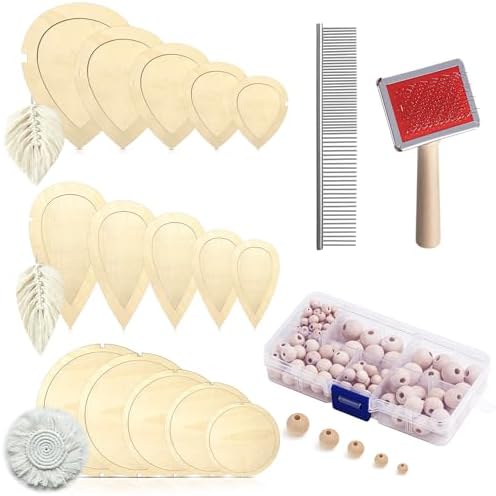
Materials I started with: