Understanding Laser Cutters
Laser cutters represent a significant advancement in material processing technology, utilizing focused beams of light to effectively cut or engrave a variety of materials. The principle behind laser cutting lies in the conversion of light into an intense beam, which, when targeted at a surface, generates sufficient heat to melt or vaporize the material. This precise and efficient method has gained popularity across many industries, including manufacturing, design, and art.
The history of laser technology dates back to the early 1960s when the first working laser was developed. Initially, lasers were primarily used in scientific laboratories; however, their utility quickly expanded into other fields. By the late 20th century, the introduction of laser cutting machines provided unprecedented precision and speed in manufacturing processes. They replaced older mechanical techniques, allowing for cleaner cuts and greater detail.
Essentially, laser cutters operate through various methods: they can either melt, burn, or blow away materials using the energy generated from the light focus. The flexibility of laser technology accommodates a wide range of materials such as wood, metal, plastic, and glass, among others. As a result, businesses can produce intricate designs, prototypes, and products that require high levels of customization. Furthermore, the advent of computer numerical control (CNC) technology has facilitated the integration of lasers into automated systems, enhancing productivity.
In summary, understanding the fundamental concept of laser cutters opens the door to exploring the different types and their specific applications. The evolution of laser technology over time demonstrates its pivotal role in modern manufacturing, driving innovation and increasing efficiency in various sectors.
Diode Laser Cutters: Features and Applications
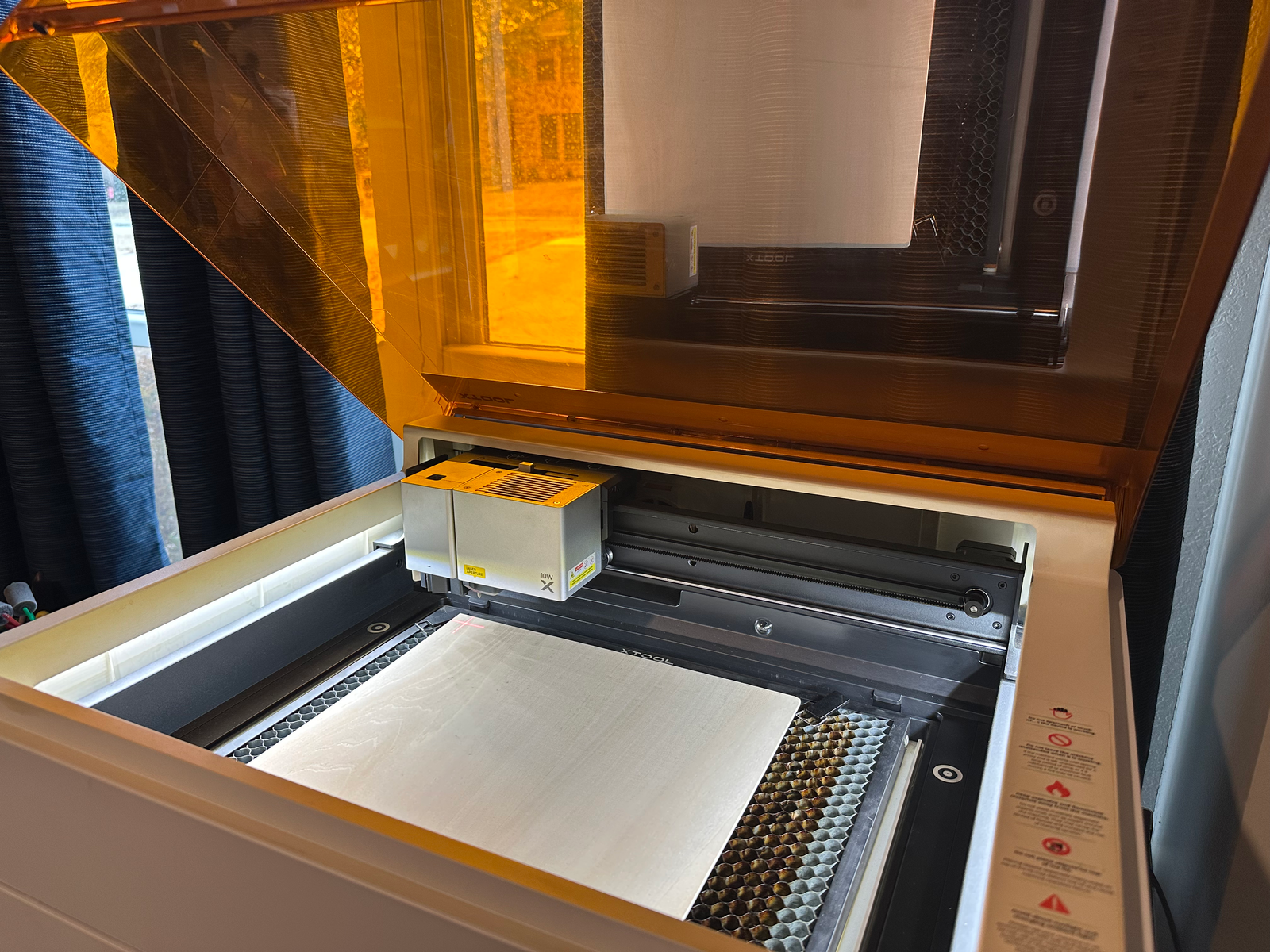
Diode laser cutters are an increasingly popular choice in the realm of laser cutting technology, primarily due to their accessibility and versatility. One of the distinctive features of diode laser cutters is their compact size, making them suitable for small workshops or home-based projects. They typically operate at lower power outputs, ranging from 1 to 7 watts, which allows them to effectively cut or engrave materials such as wood, acrylic, leather, and certain types of plastics.
The affordable nature of diode laser cutters is a significant advantage, positioning them as an ideal choice for hobbyists and small-scale manufacturers who may be exploring laser technologies for the first time. The ease of use is another defining characteristic, as many models come equipped with user-friendly software and setup processes that facilitate straightforward operation. This results in a lower barrier to entry for users, making diode lasers a good option for those new to the technology.
However, there are limitations to consider when comparing diode laser cutters to other types, such as CO2 and fiber lasers. Diode lasers generally have lower cutting speeds and are less effective on thicker materials. They also might struggle with metal cutting and engraving due to their power constraints. Despite these limitations, they excel in applications like crafting, engraving intricate designs on various substrates, and performing small-scale manufacturing tasks. Hobbyists often utilize diode laser cutters for personal projects, while small businesses may employ them for customized items and promotional materials.
In addition to their practical applications, diode laser cutters foster creativity and innovation among users, allowing for the exploration of design possibilities without the significant investment associated with higher-powered systems.


CO2 Laser Cutters: Benefits and Best Uses
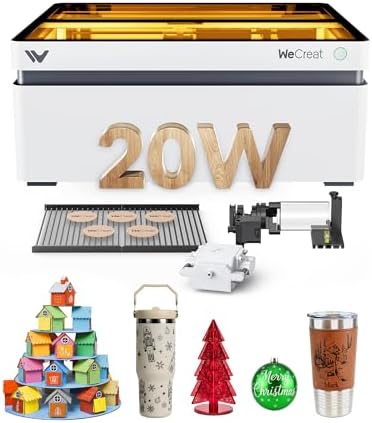
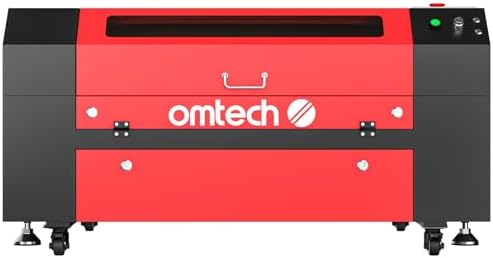
CO2 laser cutters are widely recognized for their versatility, making them a popular choice in various industrial and artistic applications. Utilizing a gas mixture of carbon dioxide, these lasers operate on a principle where high-powered beams are generated and focused onto a specific point, allowing for precision cutting and engraving across multiple materials.
The typical power levels for CO2 laser cutters range from 40 watts to over 400 watts, depending on the application requirements. The higher the power rating, the thicker and denser materials the laser can effectively cut. This adaptability makes CO2 laser cutters ideal for processing materials such as wood, acrylic, and textiles. For instance, a 40-80 watt laser is well-suited for thin materials like paper and lightweight fabrics, while stronger lasers are capable of handling thicker wood and acrylic sheets with ease.
One of the significant advantages of using CO2 laser technology is its ability to create highly detailed engravings and intricate designs. As a result, they are favored in the fields of signage, personalized gifts, and crafts. Moreover, the smooth edges produced by the CO2 laser cutting process eliminate the need for secondary finishing operations, leading to time and cost savings in production.
In industrial settings, CO2 laser cutters are instrumental in manufacturing processes, offering speed and accuracy in creating complex shapes and components. They are widely used in industries such as automotive, aerospace, and electronics, where precision is critical. Additionally, artists and designers appreciate CO2 lasers for their ability to create intricate patterns on various surfaces, allowing for creativity to flourish.
In summary, CO2 laser cutters stand out due to their extensive material compatibility and precision capabilities, making them an indispensable tool in both industrial production and artistic creations.


Fiber Laser Cutters: Efficiency and Precision
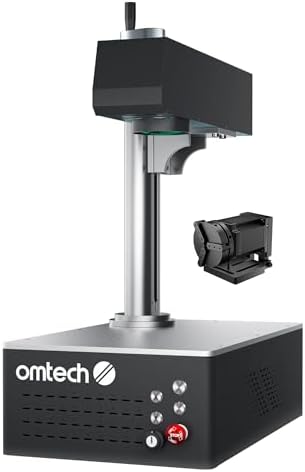
Fiber laser cutters represent the forefront of laser cutting technology, distinguished by their ability to deliver exceptional efficiency and precision. These cutters utilize advanced fiber optic technology, allowing for the generation of laser beams with a narrow focus, making them ideal for cutting through metals and other durable materials. This precision is critical in industries such as automotive and aerospace, where exact specifications and tolerances are paramount.
One of the primary advantages of fiber laser cutters is their operational efficiency. They typically operate at higher speeds compared to traditional CO2 lasers, allowing for faster production times. This increased speed translates directly to improved productivity in manufacturing contexts, where time is a crucial factor. Fiber lasers also exhibit lower energy consumption, which is a significant operational benefit, especially for businesses aiming to reduce overhead costs and enhance sustainability.
In addition to speed, fiber laser cutters are known for their superior cut quality. The fine focus of the laser beam reduces the heat-affected zone (HAZ), resulting in cleaner cuts with less oxidation or warping of the material. This is especially important in metal fabrication, where precision cutting can minimize the need for post-processing and improve overall product quality.
The application of fiber laser technology is rapidly expanding across various sectors. In the automotive industry, for example, fiber lasers are employed for cutting intricate designs and components with precision, allowing manufacturers to maintain high standards of safety and performance. Similarly, the aerospace sector benefits from fiber lasers for the production of lightweight and strong parts, which are essential for fuel efficiency and performance in aviation. Furthermore, metal fabrication shops are increasingly investing in fiber laser systems to keep pace with industry demands.
In summary, fiber laser cutters combine efficiency and precision, making them indispensable tools in modern manufacturing. Their ability to cut through hard materials quickly and accurately has led to their growing popularity in numerous industrial applications, highlighting their role in enhancing productivity and meeting the stringent requirements of various sectors.