
(Without Scent Beads or OxiClean) + Why I Add Vinegar
If you’re looking for a budget-friendly, natural laundry solution, making your own homemade laundry soap is one of the easiest ways to simplify your home. Not only does it save money, but it also gives you full control over what touches your family’s clothes.
I personally use a simplified version of a popular DIY laundry detergent recipe — without scent beads or OxiClean — and I add ½ cup of white vinegar to every wash for even better results.
Here’s exactly how I make it — and why vinegar makes such a difference.
Why Make Homemade Laundry Soap?
Making your own detergent allows you to:
- Save money (one batch lasts for months)
- Avoid artificial fragrances and dyes
- Reduce unnecessary additives
- Control ingredients for sensitive skin
- Create a more natural home environment
If you’re building a peaceful, Christ-centered home like I am, small swaps like this make a big impact over time.
Easy Homemade Laundry Soap Recipe
Here’s the basic recipe I use (adapted from the popular DIY laundry soap recipe on Passionate Penny Pincher with my own tweaks):
Ingredients
- 1 box of Washing Soda (55 oz)
- 1 box of Mule Team Borax (4 lbs) – You can opt not to use this see caution below
- 4 lbs Baking Soda
- 3 bars Castile Soap or Fels-Naptha Soap(grated)
(No scent beads. No OxiClean. Keeping it simple and effective.)
Tools & Ingredients I Personally Use
To make this recipe simple, these are the products I use and trust:
- Washing Soda
- Baking Soda
- Mule Team Borax (optional)
- Fels-Naptha Soap or Castile Soap bar (I’ve only used Fels-Naptha)
- White Distilled Vinegar
- Large Airtight Storage Container
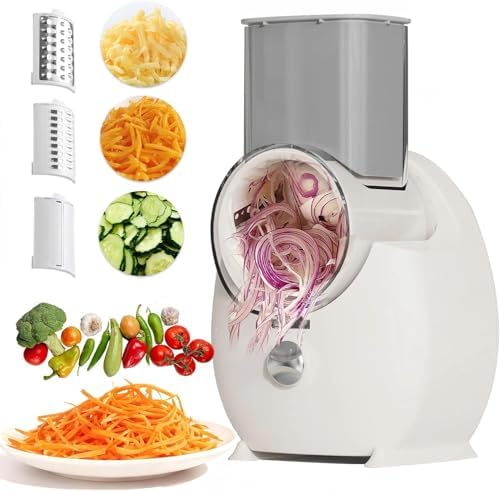
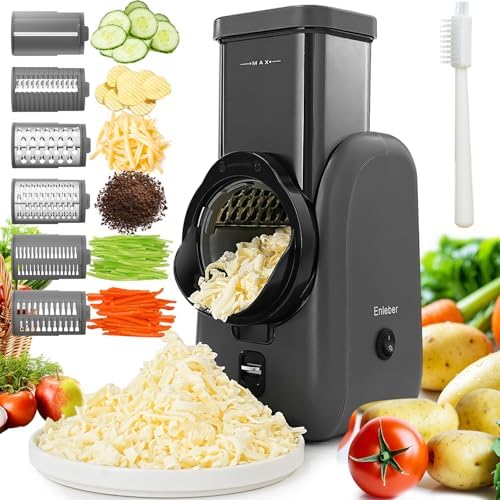
- Grater for Soap (I used my Vitamix Food Processer/Grater) below are best selling Amazon graters:

A Quick Note About Borax
You may notice that some homemade laundry detergent recipes include borax as an ingredient. While borax is commonly used as a cleaning booster, some people choose to avoid it due to concerns about potential skin irritation or sensitivity—especially for those with sensitive skin, small children, or certain health considerations.
Another consideration is that borax should not be inhaled or ingested while handling the powder. When mixing powdered cleaning ingredients, fine particles can become airborne. If you decide to use borax in a recipe, it’s wise to mix ingredients in a well-ventilated area and consider wearing a simple mask to avoid breathing in the powder.
You can keep things simple and skip borax altogether. The combination of washing soda, baking soda, Castile soap, and vinegar in the wash still provides effective cleaning power without adding another ingredient.
As with any DIY household product, it’s always a good idea to research ingredients and choose what works best for your home and family.
This post may contain affiliate links. As an Amazon Associate, I earn from qualifying purchases at no extra cost to you. I only share products I personally use and love in my home.
Grate the Castile soap if using a bar.
How to Make It (Powder Version – Easiest Method)
- Grate the Castile soap if using a bar.
- Mix washing soda, baking soda, and grated soap in a large container.
- Stir thoroughly to combine.
- Store in an airtight container.
How Much to Use:
Use 2–3 tablespoons per load.
Why I Add ½ Cup Vinegar
In addition to my homemade detergent, I add ½ cup of white distilled vinegar to white clothes (in the fabric softener compartment or rinse cycle).
Here’s why:
🍋 Why I Add Vinegar to my white clothes
One of the things I always do with white clothes — in addition to my homemade laundry detergent — is add ½ cup of white distilled vinegar to the wash. It might sound unusual if you’re not used to it, but vinegar does a lot when it comes to laundry. Here’s why:
🌿 1. Helps Neutralize Odors
Vinegar is excellent at neutralizing unpleasant smells — from sweat and musty towels to lingering pet odors. It works by breaking down odor-causing residues rather than just masking them with fragrance. White vinegar doesn’t leave your clothes smelling like vinegar once they’re dry — those smells are rinsed away, leaving them fresh.
🌟 2. Naturally Softens Fabrics
Vinegar helps soften clothes without the need for commercial fabric softeners, which often contain silicones and artificial fragrances. Adding vinegar during the rinse cycle helps break down leftover soap residue from your clothes, which can make fabrics feel stiff.
✨ 3. Brightens Whites & Prevents Fading
Distilled white vinegar can help remove dulling buildup and brighten whites, keeping colors more vibrant over time. Its mild acidity helps dissolve residues that can make clothes look dingy.
🌍 4. Reduces Detergent Residue
Especially with homemade detergents that don’t always rinse as predictably as commercial ones, vinegar helps ensure your wash doesn’t have leftover detergent stuck in the fibers — which can cause stiffness or faster re-soiling.
⚠️ A Few Things to Know
- I use white distilled vinegar — not flavored or colored vinegars. It’s inexpensive and doesn’t leave stains.
- If you prefer a scented laundry experience, you can add a few drops of essential oil in the wash or dryer — but it’s completely optional.
- Some laundry experts caution that using vinegar in machines frequently may affect internal parts over years of consistent use. If you’re concerned, you can add the vinegar during the final rinse instead of throughout the wash.
- Avoid using vinegar with bleach in the same load.
Final Thoughts
This simple homemade laundry soap has been one of my favorite budget-friendly homemaking swaps. It’s affordable, effective, and aligns beautifully with a more intentional home life.
Small changes like this help us steward our homes well — and that’s something I care deeply about.
If you try it, let me know how it works for you 💛